
Etching on marble is chemical damage caused by acid — not a stain, and not a scratch. It shows up as dull, whitish, or grey marks that never wipe away. Here is what causes it, how to tell it apart from staining, and how to prevent it permanently.
Quick Answer
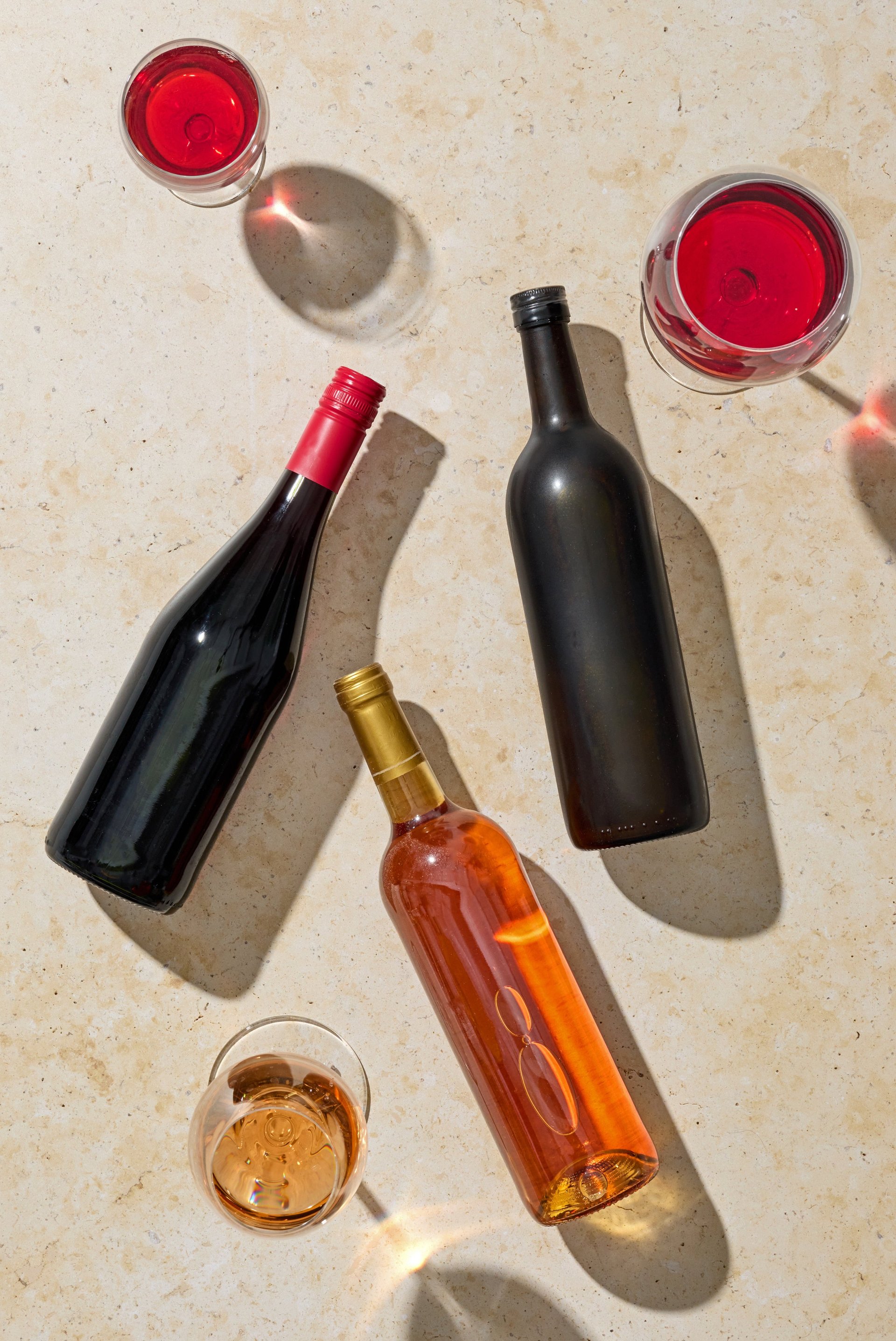
Marble etching happens when an acidic substance contacts the stone and chemically dissolves a thin layer of its calcium carbonate surface. Marble is a calcium-based stone, and acid reacts with calcium on contact. The result is a dull, whitened, or greyish mark that is etched into the surface rather than absorbed into it, so wiping, scrubbing, and ordinary cleaners cannot remove it. Common culprits are wine, lemon and lime juice, vinegar and vinaigrette, tomato sauce, cola and other carbonated drinks, coffee, perfume, some cleaning products, and acidic foods left on the counter. Because the damage is chemical rather than physical, etch marks can appear within seconds and are not covered by most stone stain warranties.
The most common cause of rings and spots on marble bars and islands.
Salad dressing, ketchup, and tomato-based cooking etch quickly.
Acidic and pigmented — these can etch and stain at the same time.
Many household sprays, perfumes, and bathroom products are acidic.
Diagnosis
Both appear as marks on a countertop, and both are caused by something you spilled. The difference matters because the fixes are completely different.
A single glass of red wine on unprotected marble can etch and stain the same spot. That is because wine is both acidic and pigmented. This is precisely why an anti-etch sealer is also a stainproof sealer — one molecular barrier handles both failure modes, so you are not solving only half the problem.
Repair & Prevention
Etch marks cannot be cleaned away because the surface itself has been altered. Removing them requires mechanically restoring the finish — hand polishing for a small mark with someone experienced, or a professional diamond refinishing and re-honing process for larger areas. Polished marble is more challenging than honed, because the shine has to be built back gradually. Attempting DIY polishing with the wrong abrasive or an acid-based product usually makes the damage worse by creating a visibly uneven sheen.
This is the most persistent misunderstanding in stone care. A traditional sealer fills pores so liquids absorb more slowly — it is a stain retardant. Etching is a chemical reaction at the stone's surface, so a porous barrier does not stop it. Applying more sealer over an etch mark just adds residue. If a product claims only to "seal," it will not solve etching.
Prevention is where an anti-etch sealer becomes the meaningful answer. A product such as StainLock™ bonds within the stone at the molecular level, forming a permanent barrier that stops acidic substances from reaching the calcium they attack. Because it lives inside the stone rather than on top of it, there is no coating to wear through, no reapplication cycle, and no change in appearance or feel. A complimentary assessment with a certified applicator will confirm whether your stone is suitable and whether existing etch marks should be refinishing before protection is installed.
Frequently Asked Questions
Request a complimentary assessment and we'll match you with a certified StainLock™ applicator near you.
Find an Applicator