
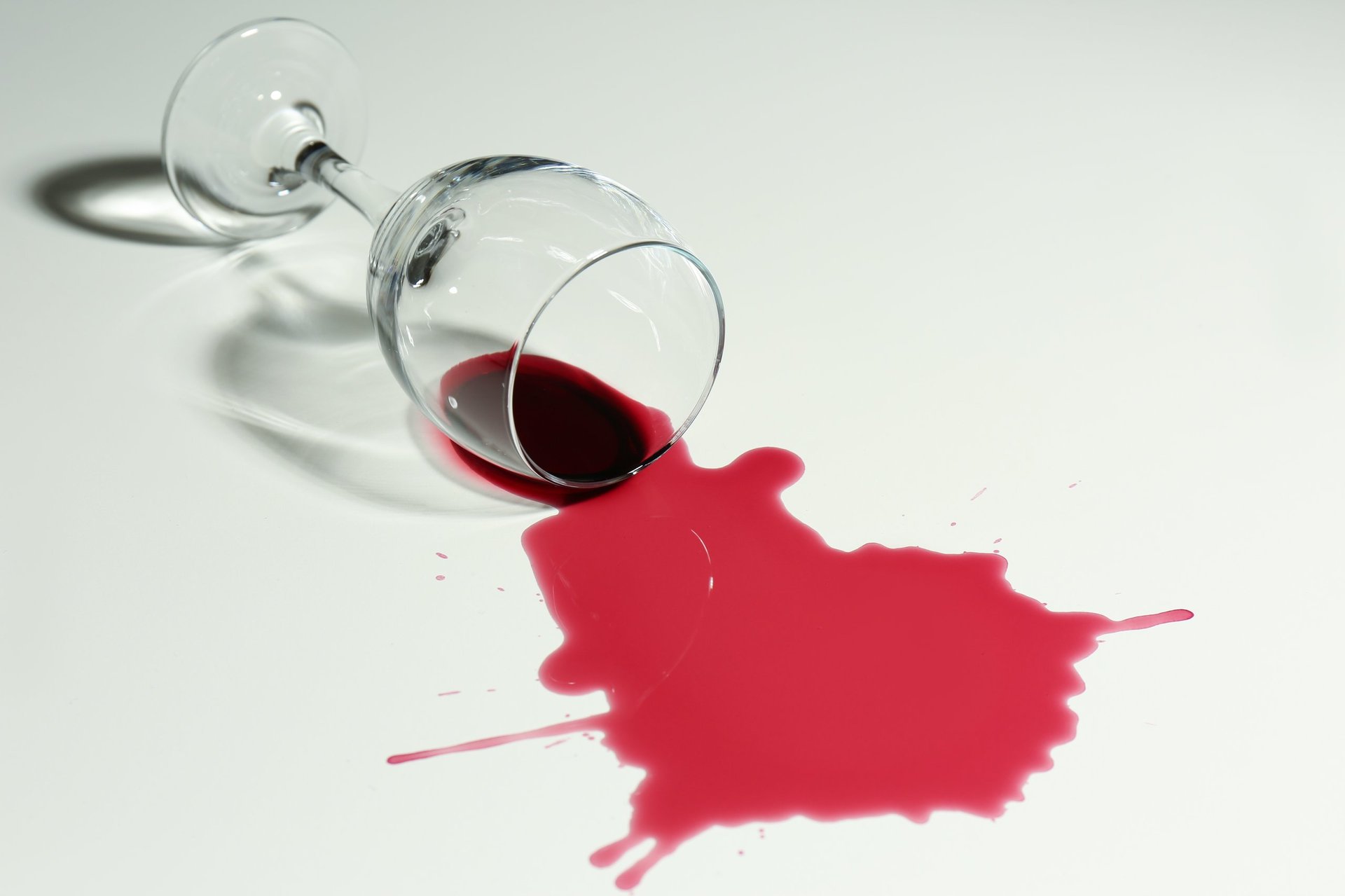
Not every product called a marble sealer does the same thing. This guide explains the three types — penetrating, topical, and anti-etch — what each one actually protects against, and why sealers alone cannot stop marble etching.
Quick Answer
The best sealer for marble is a penetrating anti-etch sealer, not a traditional topical or penetrating sealer. Marble fails in two ways: it stains when oils and pigments soak into its pores, and it etches when acids react with its calcium carbonate surface. Standard marble sealers only address the first problem, filling pores so liquids absorb more slowly, and they lose effectiveness within six to twenty-four months. An anti-etch sealer such as StainLock™ bonds within the stone at the molecular level, forming a permanent barrier that prevents both staining and acid etching, adds no film or sheen, and never needs to be reapplied. Certified installation and a Limited Lifetime Warranty come with it.
A permanent bond removes the maintenance cycle entirely.
No darkening, residue, or sheen on matte or polished marble.
Stops the acid reaction that sealers cannot address.
The Three Types
Understanding which category a product belongs to tells you what it can and cannot do before you buy it.
Soaks into the pores and lines them with a water- and oil-repellent material. The most common consumer product, usually silane- or siloxane-based.
Forms a film or coating on top of the stone. Sometimes called a polish or enhancer, and often sold for "restoring shine."
Bonds within the stone at the molecular level rather than coating it or lining pores. Installed by certified applicators.
Maintenance
With a conventional penetrating sealer, expect to reseal every six to twenty-four months. Frequency depends on how heavily the surface is used, whether it is a kitchen island or a low-traffic vanity, and which cleaning products you use. A simple field test is to drip water on the surface: if it beads, the sealer is still working; if it darkens the stone or soaks in within a few minutes, it has worn off.
That test is also the clearest illustration of why traditional sealing is a maintenance commitment rather than a solution. Performance declines gradually and invisibly, and the fail point tends to be noticed only after a spill has already stained the stone. Marble also cannot be sealed strongly enough to become acid-resistant, so etching happens on a "properly sealed" countertop all the time — which is the frustration most marble owners run into.
With an anti-etch sealer such as StainLock™, the answer is never. The treatment bonds within the stone instead of sitting on or near the surface, so there is nothing to wear away and no interval to track. That is what makes a Limited Lifetime Warranty possible where conventional sealers can only offer product-level guarantees.
Frequently Asked Questions
Request a complimentary assessment and we'll match you with a certified StainLock™ applicator near you.
Find an Applicator